

There is nothing thrilling about engine oil. It does not sparkle, it does not impress your neighbors, and no one has ever bought a car because of it. Yet it quietly determines how long that car will last and how well it will behave along the way. Regular oil changes are a key part of vehicle performance and longevity.
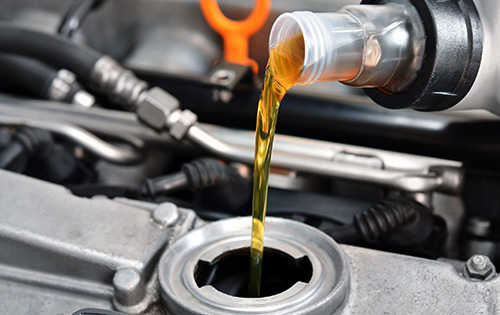
For drivers near Nutley, where short trips, traffic, and temperature swings are part of daily life, oil condition matters more than most people give it credit for.
Why Are Oil Changes Necessary?
Engine oil does not stay perfect. It starts clean and effective, then gradually picks up contaminants and loses its ability to do its job properly.
As oil breaks down, friction increases. Internal components begin to work harder against each other, and that leads to wear. Left long enough, that wear becomes damage, and damage becomes repair.
Regular oil changes reset that cycle. Fresh oil restores lubrication, removes contaminants, and keeps the engine operating as it was designed to.
What Does Oil Do in a Vehicle?
Oil has several roles, and it performs them all at once. It lubricates moving parts, reducing friction between components that operate at high speed. It helps manage temperature by carrying heat away from critical areas. It also captures dirt and debris, which are then held in the filter rather than circulating through the engine.
Take any one of those functions away, and the system begins to struggle. Lose all of them, and the engine does not last long.
How Often Should You Schedule Oil Changes?
Modern Kia vehicles typically run longer intervals between oil changes, especially with synthetic oil. In many cases, that falls between 3,000 and 5,000 miles. Driving conditions can shorten that interval. Frequent stop-and-go traffic, short trips, and temperature extremes all place additional stress on the oil.
Checking the owner’s manual provides the most accurate schedule. Staying within that range keeps the engine protected without overthinking the process.
What to Do If Your Oil Light Is On
An oil light is not a gentle reminder. It is a warning. If it comes on while driving, the safest move is to pull over and shut the engine off. Low oil pressure means the engine is not receiving proper lubrication, and continuing to run it can cause immediate damage.
Checking the oil level may provide a temporary answer, but it does not explain why the light came on. That requires inspection.
Types of Oil for Your Kia
Most Kia models are designed to use synthetic or synthetic blend oils. These oils are more stable under heat, resist breakdown, and maintain performance over longer intervals compared to conventional options.
Using the correct oil type and viscosity is important. It ensures proper lubrication and supports the engine’s long-term durability. The owner’s manual outlines exactly what is required, and following that guidance keeps everything operating as intended.
Oil changes are simple, but they carry weight. They protect the engine, preserve performance, and reduce the likelihood of larger issues developing over time.
Here in Nutley, routine oil service is handled with attention to detail, from selecting the correct oil to replacing filters and checking overall condition. It is straightforward maintenance that keeps your vehicle dependable, mile after mile.
![[Facebook]](https://www.nutleykia.net/blogs/930/wp-content/plugins/bookmarkify/facebook.png)
![[Google]](https://www.nutleykia.net/blogs/930/wp-content/plugins/bookmarkify/google.png)
![[LinkedIn]](https://www.nutleykia.net/blogs/930/wp-content/plugins/bookmarkify/linkedin.png)
![[Twitter]](https://www.nutleykia.net/blogs/930/wp-content/plugins/bookmarkify/twitter.png)
![[Email]](https://www.nutleykia.net/blogs/930/wp-content/plugins/bookmarkify/email.png)
Connect with us


You May Also Like
- Why Regular Oil Changes Are Essential for Your Kia
- Signs Your Car Needs a Check-Up: What to Look For and When to Visit a Qualified Technician
- Discover the Thrills of the 2025 Kia K4: Performance, Comfort, and Innovation
- Celebrating National Disability Employment Awareness Month: Nutley Kia and The Phoenix Center’s Commitment to Workplace Inclusion
- Rev Your Engines: Nutley Rotary 6th Annual Classic Car Show
Browse By Category
 Warranties include 10-year/100,000-mile powertrain and 5-year/60,000-mile basic. All warranties and roadside assistance are limited. See retailer for warranty details.